Wildfire Smoke: Protecting Indoor Air Quality in Your Building
Key Highlights
Wildfire smoke doesn’t stop at the door: Harmful wildfire smoke can seep into buildings, posing serious risks to respiratory and cardiovascular health, and research shows wildfire smoke can be far more toxic than typical urban air pollution.
Preparation separates disruption from control: Buildings with a clear smoke readiness plan can respond immediately to declining air quality, protecting occupants without scrambling or sacrificing operations.
A data- and design-driven approach: Effective filtration, real-time air quality monitoring, and targeted use of portable air cleaners work together to keep indoor environments safe, even when outdoor air conditions deteriorate.

5 Minute Read

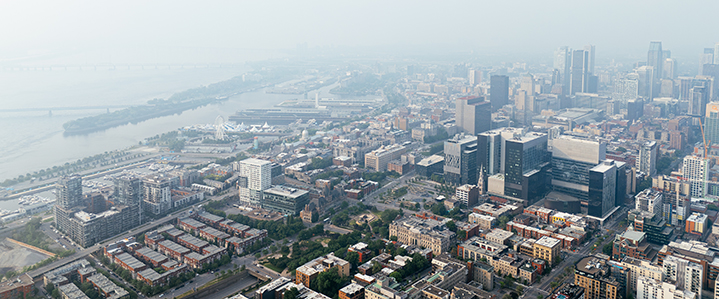
Building owners across the United States increasingly are recognizing a difficult reality: no region is immune to the impacts of wildfire smoke. In recent years, large-scale wildfire events in Canada and across North America have driven widespread air-quality impacts far beyond the fire zones themselves, with fine particulate matter (PM2.5) affecting communities hundreds or even thousands of miles away.
These events underscore a growing challenge for buildings: protecting indoor air quality (IAQ) during increasingly frequent and widespread smoke episodes. Outdoor air quality alerts often prompt people to stay indoors, but experience has shown that buildings are not automatically protective environments when it comes to indoor air quality (IAQ) during a wildfire. Smoke from wildfires can infiltrate through ventilation systems, building envelopes, and other pathways, creating indoor-exposure risks. This shift makes IAQ management a critical responsibility for building owners and facility teams.
The good news is that with proactive planning, buildings can be prepared to respond effectively. Establishing a wildfire smoke readiness strategy in advance allows facility managers to maintain healthier indoor environments and respond quickly during elevated Air Quality Index (AQI) events.
Protecting Buildings from Wildfire Smoke
At the center of this issue is fine particulate matter (PM2.5) — microscopic particles 2.5 microns or smaller that can penetrate deep into the lungs and enter the bloodstream. Exposure to elevated PM2.5 levels is associated with respiratory and cardiovascular risks, making wildfire smoke a significant and growing public health concern. Research published in Nature Communications (2021) suggests that wildfire-generated PM2.5 may be significantly more harmful to human health than PM2.5 from other sources.
When air quality is impacted by wildfire smoke, EPA and public health authorities may urge people to stay indoors. (For example, in Massachusetts air quality warnings are provided by the Department of Environmental Protection.) But what happens when that smoke finds its way indoors through ventilation systems, the building envelope, or other means? This is where it becomes essential for facility managers to have an IAQ response plan in place for protecting buildings and occupants.
This planning also can add to a building’s overall value to tenants and communities. For example, the EPA has issued resources encouraging schools, commercial buildings, and community centers to establish “cleaner air spaces” where people can find relief from smoke. Building owners that can offer proof-of-healthy indoor air stand to provide reassurance to occupants during any event that generates elevated PM2.5 conditions.
Establishing a smoke readiness plan today enables facility managers and building engineers to jump into action in the event that the EPA’s Air Quality Index reaches “unhealthy” levels in your area. This plan also ensures that any changes made to reduce the risk of unhealthy indoor air won’t impact building operations after wildfire smoke infiltration risk in buildings has passed.
What to Include in a Wildfire Smoke Readiness Plan
To establish a smoke readiness plan, consider the following six steps.
1. Coordinate Multi-Disciplinary Building Planning
Conversations around wildfire smoke responses should involve stakeholders from facilities management, environmental health and safety, and building engineers, as applicable. Reach out to any mechanical contractors or related consultants, as well. Their guidance can ensure any required changes can be made rapidly in the event of poor IAQ.
2. Optimize HVAC Systems and Filtration (MERV 13 and Beyond)
The American Society of Heating, Refrigerating, and Air-Conditioning Engineers (ASHRAE) offers a useful framework for the development of a smoke readiness plan. In its Planning Framework for Protecting Commercial Building Occupants from Smoke During Wildfire Events, ASHRAE advises that building owners perform maintenance and establish plans for operation of their HVAC systems well in advance of wildfire season.
One reason this is essential is that increasing the filtration in air-handling systems to a Minimum Efficiency Reporting Value (MERV) of 13 or greater plays a pivotal role in helping capture these particulates. However, some fan systems may not be able to overcome the pressure drop of these filters and maintain appropriate airflow. Connecting with mechanical contractors or consultants in the planning phase can prepare your HVAC system to provide the required level of filtration when it’s needed.
3. Monitor Indoor Air Quality and PM2.5 Continuously
Monitoring the air for PM2.5 can help facility managers determine when it is time to make changes to filtration and ventilation. In addition, as outdoor concentrations of PM2.5 increase, indoor concentrations should be monitored to ensure appropriate ventilation and filtration is maintained.
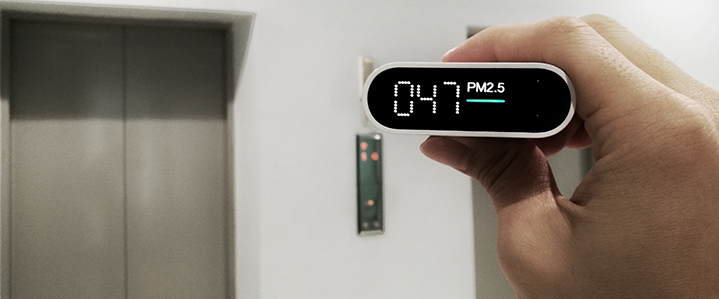
Building managers have options for monitoring, from low-cost handheld sensors to more sophisticated systems that can be installed in the building for continuous IAQ monitoring. This 24/7 IAQ monitoring can give owners the opportunity to address potential issues –including but not limited to wildfire smoke – before they become major problems. When data is shared via an online dashboard, continuous monitoring also can provide peace of mind for building occupants and leaders.
4. Adjust Filtration and Ventilation Strategically
Once monitoring determines the risk of PM2.5 entering the building, facility managers may increase filtration. However, it is important to keep in mind that these changes have the potential to create new issues. For example, using higher-rated filters could restrict airflow and potentially depressurize the building, exacerbating poor IAQ. While operating under restricted conditions, monitoring for additional factors, such as humidity and pressurization, can prevent new problems.
5. Use Supplemental Air Cleaning When Needed
In the event that wildfire smoke does enter the building, portable air cleaners can provide additional support, where monitoring may indicate it’s needed. The Association of Home Appliance Manufacturers (AHAM) provides a database of air cleaners to identify the right solutions for a specific room size.
6. Restore Normal HVAC Operations Safely After Events
Once exterior conditions are back to normal, the HVAC system should also return to its standard operating conditions. However, that may not be as simple as flicking a switch. This might involve some level of performance testing or system balancing. Ignoring this step could lead to higher energy demand or shorten equipment lifespans.
Maximize the Impact of Your Plan
Wildfire smoke infiltration can enter a building through many routes. Protecting buildings from wildfire smoke by identifying all potential pathways is essential for tailoring a response. This is an area where building managers may find it helpful to reach out to a consultant who can conduct a building or portfolio-wide assessment and develop a comprehensive smoke readiness plan.
EH&E has helped building owners around the country assess IAQ threats, monitor for fine particulates, and implement the engineering controls that keep building occupants safe. For support in shaping an indoor environment that provides a safe space for people to escape the dangers of wildfire smoke, contact EH&E today.



Subscribe
to our blog
"*" indicates required fields