Hospital Saves Over $400,000 Annually with HVAC Performance Optimization Program
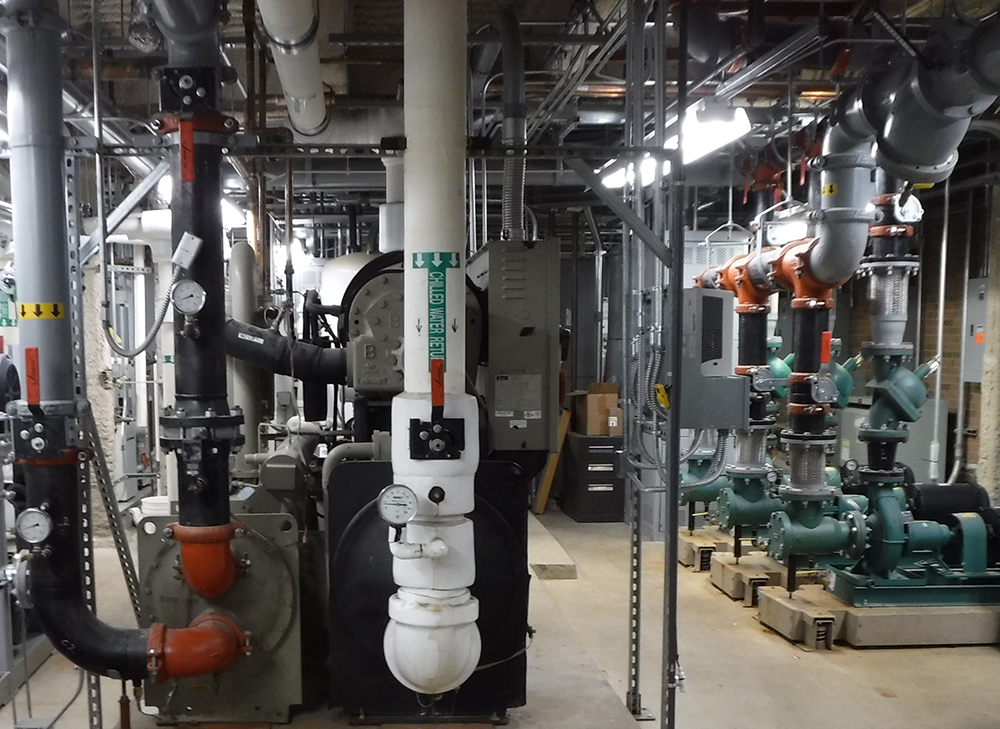
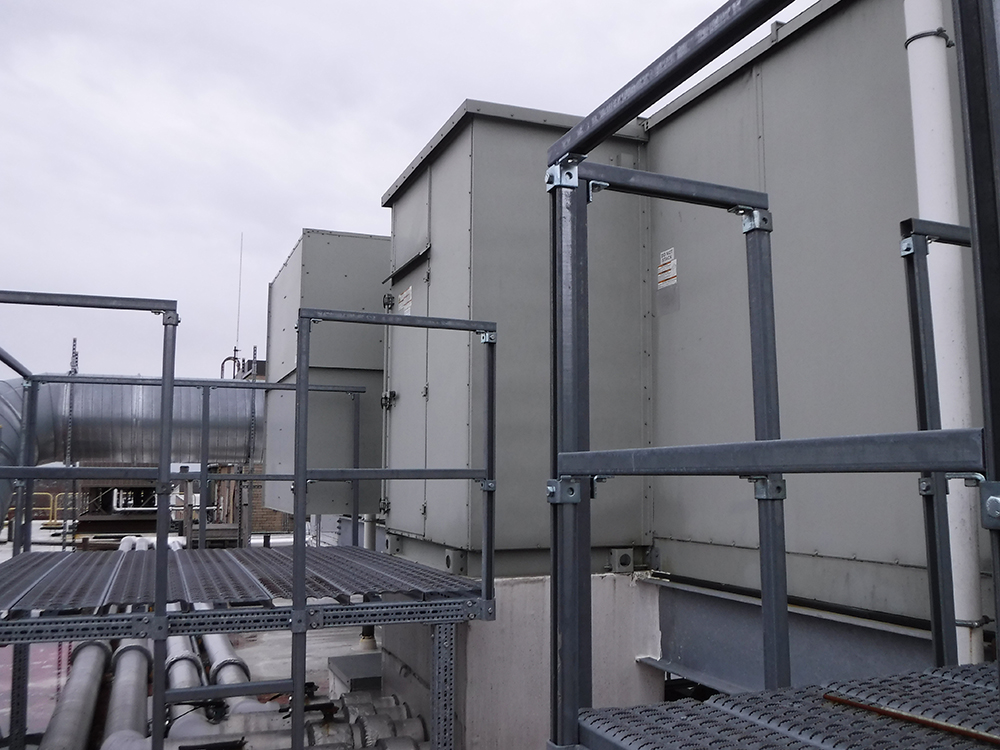
EH&E conducts comprehensive energy-savings study, identifying multiple energy conservation measures.
A New Hampshire hospital set out to aggressively reduce its energy emissions and operational costs. However, doing so meant overcoming the financial and resource constraints common across the healthcare sector.
EH&E offered an approach to performance optimization that addresses these realities. Our program relies on fine tuning existing systems—not major capital expenditures—and utilizes a pay-for-performance contract model, significantly reducing risk and allowing the hospital to confidently move forward with meeting energy reduction goals.
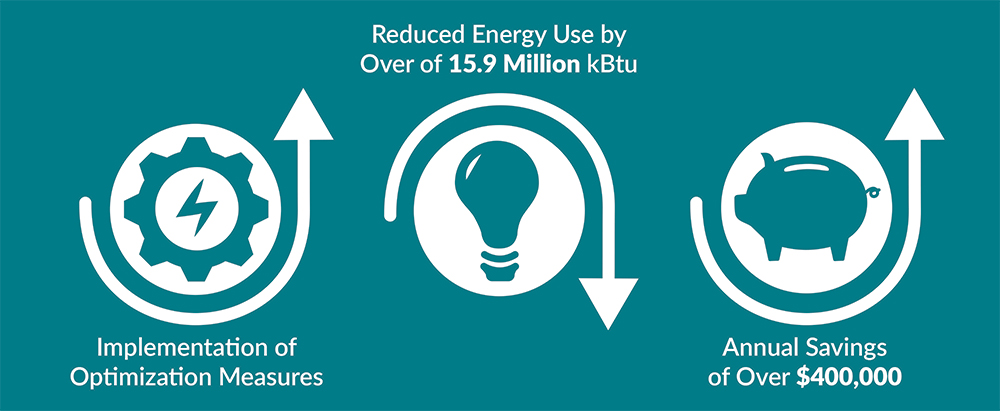
The seven-story, 415,000 square-foot hospital achieved more than $400,000 in calculated annual savings from the program. Expectations were exceeded when the organization saw measurable energy reductions that were double the original projections and a short-term payback within seven months.
From Strategy to Results
With a complex mix of legacy and modern systems, reflecting multiple expansions since the hospital’s original construction in 1956, our client required a targeted approach to identify cost-effective energy conservation opportunities that would not disrupt critical hospital operations.
EH&E conducted a comprehensive energy optimization study and collaborated closely with the client’s staff, performing onsite assessments and system performance analyses. Because many of the building systems were interconnected, EH&E not only evaluated individual equipment performance, but also how control sequences, operating schedules, airflow, temperature setpoints and other mechanical components interacted across the facility. This work identified root causes of inefficient operations and opportunities to repair underperforming components, enhancing both energy efficiency and occupant comfort.
By implementing various energy conservation measures (ECMs), our client significantly improved the efficiency of its mechanical systems and reduced its energy footprint. The project progressed through multiple phases: Study, Analysis, Implementation, and Verification, with an additional implementation phase to address interdependencies among identified ECMs.
During the Study and Analysis phases, EH&E identified six high-impact ECMs:
- occupancy scheduling
- discharge air temperature reset
- economizer repair
- valve leak repair
- static pressure reset
- variable air volume flow setbacks
Each ECM was evaluated for potential energy reduction, cost savings, implementation feasibility, and potential impacts on other building systems. The evaluation involved careful sequencing, room-by-room system review, and close coordination with the facility management team.
Combined, the implemented measures deliver substantial operational and financial benefits for the hospital. Beyond the measurable reductions in energy use and cost, the project established a strong foundation for continued optimization, enabling the hospital to reinvest savings into patient care and facility enhancements.
Looking Ahead
The hospital’s success demonstrates how data-driven performance optimization can deliver measurable savings without major capital investment. EH&E’s team helps hospitals and research facilities identify practical, low-risk opportunities to reduce energy use, improve system performance, and reinvest savings where they matter most. Learn how EH&E can help your facility achieve similar results.